Tattoo Design Ideas for Every Aesthetic: Minimalist to Maximalist
When someone sits in my chair and says, “I want something that feels like me,” I know the real work is about to start. A good tattoo isn’t just lines and shading. It’s intention, placement, and a style that harmonizes with who you are and how you move through the day. Whether you lean minimalist or maximalist, whether you love airy fine line tattoos or bold American traditional tattoos, there’s a language for your taste. The key is matching your aesthetic to the right techniques, placement, and artist. That’s where a thoughtful tattoo consult at a local tattoo shop makes all the difference.
I’ve spent more hours than I can count cleaning stencils off forearms, tuning machines, and talking clients through the choices that shape their experience. Some wanted walk-in tattoos and left with something small and perfect. Others planned a full sleeve over multiple sessions, and we mapped every inch like a mural. The best tattoo shop for you is the one that listens, explains trade-offs, and shows you consistent healed work, not just flashy fresh photos. With that in mind, here’s a deep dive through design ideas across the full spectrum, with the practical advice I give in the studio.
Reading Your Own Aesthetic
Before we sketch a design, I try to read how a client dresses and speaks, what their job requires, and what they already wear on their skin. Minimalists tend to prefer fewer details, light contrast, tattoo studio portfolio and purposeful negative space. Maximalists usually trust large compositions, dense color or deep black, and a story that unfolds across multiple placements. Neither route is better. The only mistake is forcing a style you won’t love a year later.
Take ten minutes at home. Open a folder and drop images that attract you instantly. Don’t analyze yet. After 30 or 40 images, look for patterns. Do you like clean lines? Photorealism? Organic, botanical flow? Strong outlines with visible line weight? This mood archive becomes your compass during your tattoo consult. When you share it at a custom tattoo shop, a good artist can translate it into something personal instead of a copy-paste mashup.
Minimalist Without Being Boring
Minimalist tattoos get dismissed as “just a line.” That’s lazy criticism. Pulling off simplicity takes control and restraint. Consider a single-needle wrist script. If the artist isn’t experienced with fine line tattoos, the letters can blur during healing, or a delicate curve can flatten. Simplicity shows every wobble.
I like to start smallest with marks that read clean from a foot away: constellations dotted along the collarbone, a thin band around the forearm with a single break, or a micro-floral sitting softly on the ankle. These are tattoos that behave like jewelry. They complement, rather than dominate. If you work in a conservative environment, minimalist designs hide easily. Think spine placements with negative space, or a tiny ear conch star that doubles as a secret wink to yourself.
What matters for durability is line weight. Single-needle looks elegant day one, but over time skin shifts. To keep minimalist work crisp for 5 to 10 years, I often bump line weight slightly, especially in areas that get friction. Fingers and feet demand thicker lines than the inner arm. When clients listen on this point, the healed result stays closer to the original vision.
Design ideas that stay whisper-light yet intentional
A pair of thin parallel lines across the outer forearm, offset slightly so they don’t read as cuffs. A small geometric on the inner bicep that uses negative space to imply a cube rather than drawing every edge. A vine that starts as three leaves near the wrist and fades out before the elbow. These pieces age gracefully and still feel like part of your body’s natural flow.
Black and Grey, From Soft Shadow to Heavy Contrast
Black and grey tattoos are the most versatile category. With just two pigments — black and the skin tone beneath — you can sculpt portraits, religious iconography, botanical studies, or atmospheric landscapes. There is a world of difference between a soft, washed-out grey and deliberate dark blacks that anchor a piece. When clients show reference images, I ask them how much contrast they really want to live with. Strong blacks mean more visual presence. Ethereal greys can look ghostly and subtle.
If your wardrobe leans neutral and tailored, black and grey may be the perfect midpoint between minimalist and maximalist. A single peony with delicate folds on the shoulder, shaded to feel plush, can be more emotionally charged than a whole bouquet. On the other hand, a full forearm black and grey sleeve with a narrative — compass, rosettes, storm clouds, a ship cresting a wave — can carry drama without a drop of color.
Placement matters here. Areas with soft, even skin, like the outer thigh or upper arm, heal smooth gradients beautifully. High-motion zones like the elbow ditch or knee pit can break up soft shading. Not impossible, just more patience and aftercare. In a tattoo appointment for a large black and grey piece, plan on multiple sessions, especially if you want saturated darks and healed consistency.
Fine Line, When You Want the Delicate Look
Fine line tattoos are the quiet darling on social feeds. They photograph well, brush the skin gently, and allow long, elegant forms. But they’re not just “go small and hope.” A fine line sleeve is achievable, and I’ve done several, but it takes planning. The trick is line hierarchy. Some outlines must be slightly thicker to prevent collapse, while secondary details can stay whisper thin. From a few feet back, you still want to read the design.
A common request is botanical: stems and petals, thin as a hair. This looks gorgeous on the ribs or spine, where bones create a natural stage. Another frequent ask is micro-realistic animals or single-needle portraits. For faces smaller than a thumb, I advise against filling every feature. Better to suggest details and avoid the muddiness that can set in as ink spreads microscopically over the years.
If you’re exploring fine line work at a tattoo and piercing studio that also does walk-in tattoos, pause to view healed examples in person. Fresh fine lines are deceptive. The best tattoo shops will have healed portfolios or clients willing to show work done six months or a year ago. That’s the truth test.
American Traditional, Bold and Built to Last
American traditional tattoos have a good reason for their bombproof reputation. Heavy outlines, clear shapes, limited color palettes, and smart use of negative space make them legible from across the room and still readable after decades. If you admire vintage flash on shop walls — panthers, daggers, sparrows, hearts wrapped in banners — and you want your skin to look timeless rather than trendy, traditional is your ally.
This style loves body curves. A dagger looks best when it matches the forearm’s axis. A rose head pops on the shoulder cap. A swallow’s wings should fly along your clavicle line, not fight it. Traditional work beats many other styles on sun resistance. Because it uses bold lines and solid fills, it forgives some fading with age. I’ve retouched pieces from the 90s that still carried their shape because the bones of the design were solid.
Color choice remains simple but strong. Red, yellow, green, and black, with small blue accents, build contrast that reads clean. If you’re a maximalist who wants cohesion, traditional sleeves or back pieces are a joy to assemble. We can fit small stories together like a quilt — a snake with a banner between two roses, a horseshoe locking an anchor in place — and the system holds.
Maximalist Storytelling Without Clutter
Maximalism doesn’t mean chaos. The best large tattoos breathe, even when they cover a lot of skin. A full back composition can include several high-detail focal points with negative space along the spine and ribs to let the eye rest. A sleeve can carry multiple motifs — celestial at the top, botanical in the middle, architectural near the wrist — if line weight, shading approach, and palette tie them together.
I suggest anchoring big pieces with two or three motifs that are structurally different. For example, a geometric mandala at the shoulder, botanical along the bicep and tricep, then an animal or mask as a forearm cap. Your skin becomes a gallery with planned sightlines. When you move, the design should expand and contract naturally. When it crowds and tangles, you lose the magic.
If you intend to build toward a maximalist presence but only have budget or time for small sessions, plan a road map during your first tattoo consult. A custom tattoo shop can sketch a loose body map. We can place early pieces where they’ll later tuck into larger shapes and avoid awkward gaps. Without a plan, you end up with a patchwork that’s hard to unify. With a plan, small wins accumulate toward a big vision.
The Smart Way to Do Walk-ins
Walk-in tattoos are fun. Spontaneous is not the same as careless. If you know your aesthetic and trust your local tattoo shop, you can get something meaningful at lunch and go back to work with it wrapped and happy. I’ve seen clients plan a “walk-in day” with friends where each person gets a related micro design, like tiny sea creatures or matching coordinates. The energy is great, and the results can be elegant if the flash is thoughtful.
For walk-ins, keep to simpler designs with fewer elements. Avoid tiny script in busy fonts. Skip hyper-detailed animals at micro sizes. If you want color, consider bold primary accents that hold up rather than subtle gradients that need more session time. Expect a quick but focused design consult. A good tattoo parlor will protect you from bad decisions even when you’re feeling adventurous.
Placement: The Maker of Mood
The same design reads differently depending on where you put it. A thin line around the neck is jewelry-like and formal. The same line around the ankle feels casual. A portrait on the inner forearm invites conversation. On the upper arm it’s more private. Think about sun, friction, and visibility. Hands and neck heal differently than the calf or thigh. If you work with chemicals or do heavy manual labor, fingertips and palms can be a heartbreak. Ink wears fast. For high-motion zones like elbows, soften expectations on ultra-fine lines.
For symmetry lovers, bilateral placements can be gorgeous — two delicate branches along each clavicle or mirrored knee pieces. For asymmetry fans, a dramatic single thigh piece can balance a small wrist micro tattoo and still feel cohesive if the style and line quality match.
Color, Monochrome, and Living With Both
People talk about color like it’s a personality test. It’s not. You can be a minimalist and love color. You can be a maximalist in black and grey. The trick is how you use it. Saturated color blocks in a minimalist geometric can look modern and bold while taking up just a few square inches. On the other hand, a large black and grey sleeve with a single colored rose can create a focal point that stops a viewer in their tracks.
Skin tone matters for color choice, but not in a limiting way. On deeper skin, rich warm hues like crimson, deep green, and gold come alive. Pastels can read chalky on any skin tone if not applied thoughtfully. Discuss your undertones during the tattoo appointment. A veteran tattoo artist will show healed examples on similar complexions rather than guessing.
Cover-ups and Second Chances
A lot of people carry an old tattoo that doesn’t fit them anymore. Cover-ups are part art, part engineering. I tell clients that we’re not erasing. We’re redirecting the eye. Darker elements from the old piece will influence our design unless you invest in laser sessions to lighten the area first. Three to six laser passes can change what’s possible. If you want a delicate fine line piece, you’ll almost certainly need laser before the cover.
Without laser, strong black and grey designs or American traditional tattoos are reliable strategies. Dense elements like leaves, feathers, or waves can mask old shapes. Script can disappear into banners or under fabric folds in a figurative piece. I’ve covered tribal armbands with climbing flora that turned old heavy bands into the shaded base of a forest scene. Clients are usually thrilled when they realize they’re not stuck, they just need the right approach.
Finding the Right Artist and Studio
A good match between client and tattoo artists beats any trend. If you’re after crisp fine line tattoos, you want an artist who posts consistent healed work in that style. If you crave American traditional tattoos, look for bold lines and clean whip shading in their portfolio. For realism or black and grey tattoos, examine their value transitions on healed skin. Do the eyes in portraits look human, not glassy? Does the hair have texture or just flat shading?
The best tattoo shop for you will explain healing without marketing spin. They’ll talk about redness, peeling, and what sun exposure does to your ink over the years. They’ll show you how they wrap and aftercare, and why they prefer a certain ointment or lotion. Watch the studio’s setup. Disposable grips and tubes or properly sterilized equipment should be a given. The vibe matters too. A tattoo and piercing studio that crowds every chair and rushes consults might get you in faster, but not always better.
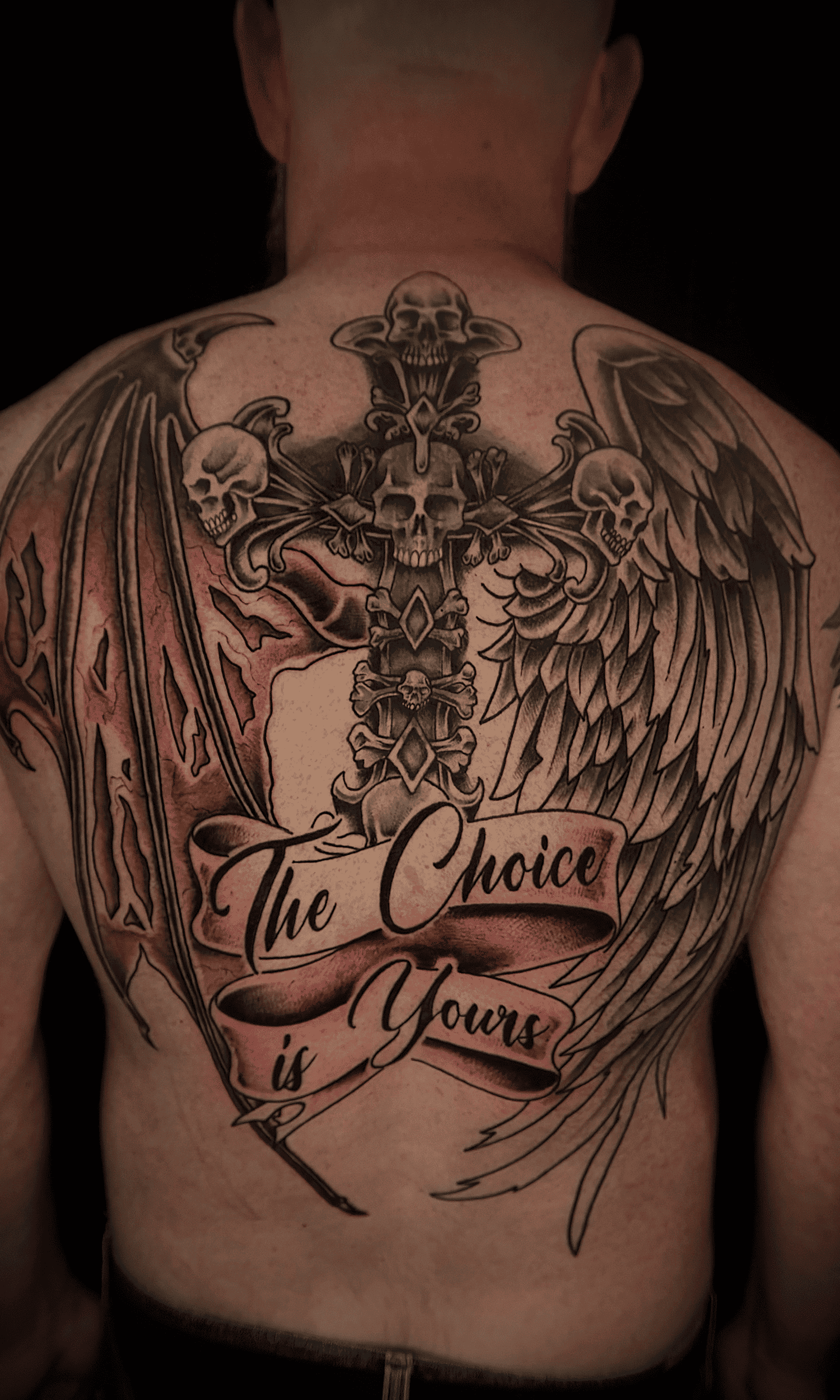
Building a Sleeve or Back Piece Strategically
Large work benefits from planning and patience. I’ve built sleeves over six to twelve months, with sessions spaced every 4 to 8 weeks. This allows healing, fresh eyes, and small course corrections. The best large pieces start with the shoulder and elbow shapes in mind. Those spherical and angular zones influence flow and spacing. We design to make the elbow a transition, not a problem area.
Healed contrast becomes your friend. Burying an entire sleeve in mid-tones looks amazing during day one photos, then flattens over time. Keep ranges: highlights, mid-tones, and true darks. If you want color, keep a strategy — either a full palette with consistent temperature, or two accent colors repeated across motifs to tie everything together.
When to Book a Consult, and What to Bring
If you’re serious about a custom piece, book a tattoo consult rather than jumping straight to a tattoo appointment. A consult is usually short and low-pressure. Bring your image folder with 8 to 15 references that show mood and specific elements. Be ready to explain what you like about each reference — line quality, style, shape, subject — not just “this is cool.” If you have medical concerns or skin sensitivities, share them. Ask to see healed work. Discuss placement while standing and sitting; your body changes shape.
For walk-in tattoos, bring a clear, simple idea. If you want your artist to design on the spot, be flexible. The more complex your ask, the more you should plan a future appointment.
Pricing, Time, and Real Expectations
Every tattoo takes more time than people think. Stencil prep, placement, and aftercare explanation add minutes. Complex linework demands breaks to avoid hand fatigue. Good shops price fairly for that time. Hourly rates vary by region and artist reputation. A small fine line piece might be a flat minimum to cover setup and sterilization costs, while a full-day session stacks up but buys you momentum.
If budget is a constraint, say so. Many tattoo artists prefer building a realistic plan that respects your wallet over rushing a half-finished dream. I’ve done multi-year projects where each session finished a clean, contained section. Those sleeves look composed rather than “in progress” for months at a time.
Aftercare, Healing, and How Aesthetics Age
Beautiful tattoos can turn average if you mistreat healing. The first 48 hours are the most critical. Follow what your artist recommends for washing and moisturizing. Saniderm or similar wraps are useful when applied correctly, but not every client or placement suits them. Sweat, pet hair, and gym sessions are the enemies of early healing. Give your tattoo a quiet week.
Long term, sunscreen is not optional. The sun doesn’t just fade color. It breaks down the structure of your skin, softening lines and blurring edges. If you love minimalist work, protect it even more. Those gentle lines rely on precision. For maximalist pieces, a yearly check-in at your local tattoo shop for a quick touch-up or small additions keeps the overall quality tight. Tiny adjustments can refresh a piece without the cost or pain of a full rework.
Ideas Across the Spectrum, Matched to Mood
- Minimalist: a single-needle constellation wrapping from shoulder tip to collarbone, a thin ankle band with a micro-break, or a tiny botanical sprig on the wrist that sits like jewelry.
- Mid-range subtle: a black and grey peony with soft shading on the outer shoulder, a fine line snake on the inner bicep with two thicker anchor lines for longevity, or a minimal geometric on the forearm with a single toned color block.
- Bold classic: a traditional swallow pair near the clavicles, a dagger with a red rose on the forearm, or a lighthouse framed by waves on the calf with solid color fills.
- Maximalist cohesive: a sleeve mixing floral elements with a mandala shoulder cap and a mask or animal forearm anchor, or a back piece where celestial maps soften into cloud forms that reveal a central figure.
- Cover-up transformation: old script reimagined as a banner on a traditional rose, a tribal band turned into layered leaves with deep blacks, or a dark faded symbol hidden in a black and grey forest scene.
How to Use a Tattoo Parlor’s Flash Without Losing Yourself
Flash isn’t a compromise. It’s a curated menu. Many artists design flash to express their strongest ideas. Picking from flash can deliver a piece that’s technically sound, sized properly, and in the artist’s wheelhouse. If you want your aesthetic to shine, choose flash that aligns with your mood board rather than grabbing the trend of the month. Ask if small tweaks are possible, like adjusting color or line weight, but respect that flash is often priced for efficiency and designed as-is.
When a Small Tattoo Belongs on a Big Canvas
Sometimes a small, meaningful tattoo sits best on a large space. A single word across the ribs can read elegant and intentional because it’s framed by breath and motion. A tiny manta ray on the vastness of a shoulder blade can look like it’s gliding. Don’t fear empty space. The body is a moving gallery, and scale is part of the art.
The Role of the Studio Culture
Beyond technical skill, the attitude of the tattoo studio shapes your experience. A welcoming front desk that answers questions without hurry. Artists who explain without condescension. Clean surfaces, labeled sharps containers, fresh setups opened in front of you. I’ve worked in shops where we turned away quick money because the idea needed refining. That’s the mark of a shop that cares. If you walk in somewhere and feel pressured or dismissed, keep looking. You deserve a studio that values your skin as much as you do.
Planning Your Next Step
If you’re at the beginning, start small with intent. Book a consult at a custom tattoo shop that aligns with your aesthetic. Show them your references, talk placement, and ask about healed results for similar designs. If you’re ready for something larger, block out time and set a budget window, then design backward from your life’s realities. If you want spontaneity, aim for a walk-in day where your idea suits a fast, clean execution.
What you put on your skin is a conversation with your future self. Minimalist or maximalist, black and grey or color, fine line or traditional, the right design feels like it has always belonged to you. Work with tattoo artists who listen. Choose a local tattoo shop that shows pride in healed work. Take care of your ink like it’s part of you, because it is. When done well, a tattoo doesn’t shout to be seen. It sits on your skin, breathing with you, and tells your story at exactly the volume you choose.